
Where Men Reconnect With Themselves And Each Other.
Take four minutes to find out where you stand.
How Connected Are You?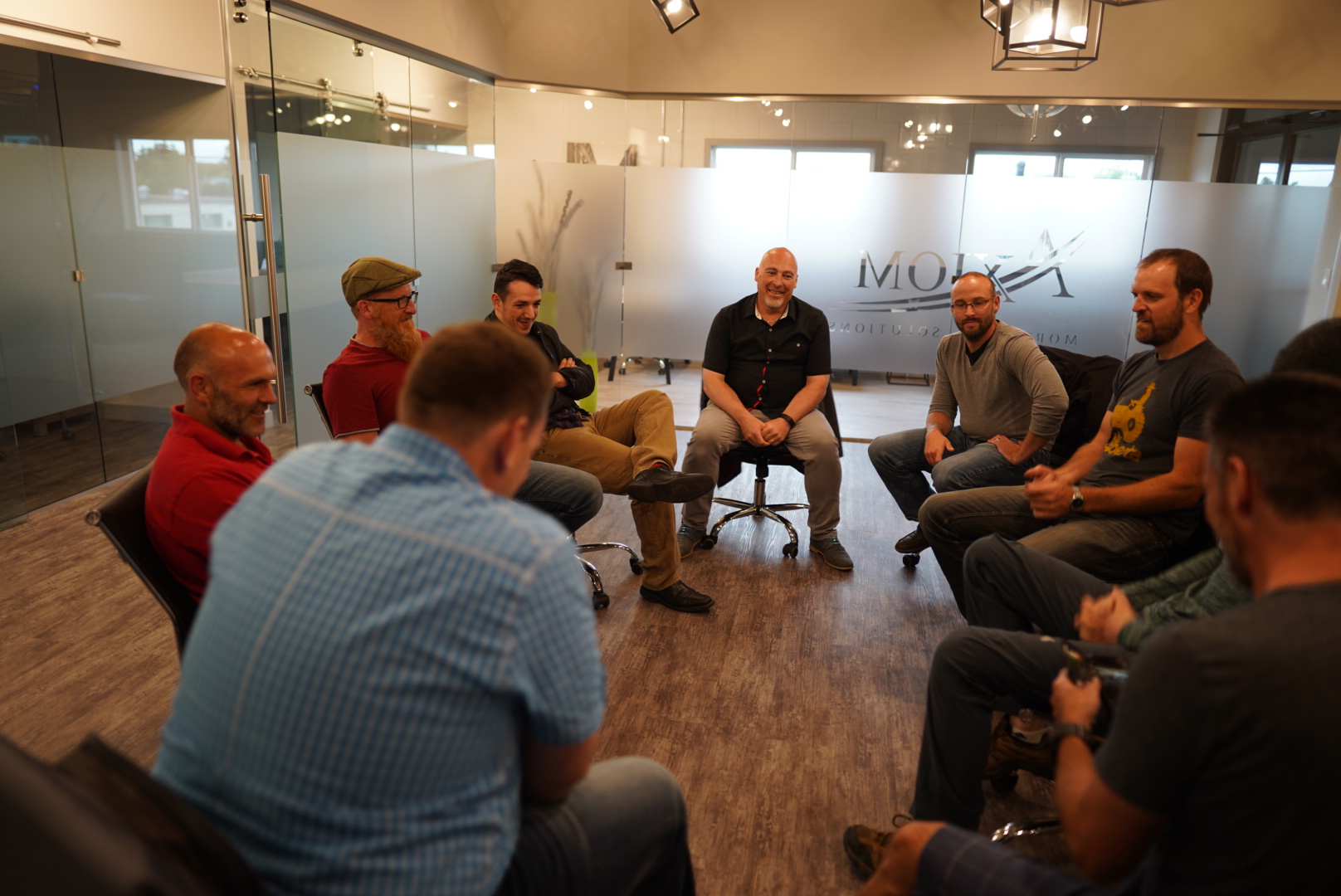
"Come as you are. You don't have to have it figured out."
About Us
At Connect'd Men, we believe true strength lies in vulnerability. This is a space where men can slow down, open up, and reconnect—with themselves and with each other. Our mission is to create a safe environment where men can explore their emotions freely, without judgment, and build deeper, more meaningful connections.
Our groups are founded on the principles of S.O.A.R.:
Start each session by grounding yourself in the present, letting go of the rush and stress of daily life.
Share openly what you're feeling—there's no need for masks here.
Allow emotions to flow without trying to fix or change them. Simply accept the moment.
By embracing your emotions, you reconnect with your true self. Only then can you truly connect with others.
Our Commitment to You
When you join Connect'd Men, you're stepping into a community that values honesty, confidentiality, and accountability. Our group agreements set the foundation for our meetings, ensuring every man feels supported, heard, and respected. We uphold the principle that confidentiality is key—what's shared in the group stays in the group. This allows us to foster deep trust and create a safe space where men can open up about their lives, emotions, and experiences.
Group Agreements
-
Prioritize attendanceParticipate fully when present. Consistency builds trust.
-
Maintain strict confidentialityWhat's shared here, stays here. Always.
-
Speak from the heartShare openly and own your stories without judgment or blame.
-
Listen with compassionHold space for others without trying to fix or offer unsolicited advice.
What to Expect
A Connect'd Men meeting is designed to help you reconnect with your emotional self. Our format ensures consistency while allowing space for personal growth.
We start each meeting with a mindfulness practice to help everyone center and be present.
Each man checks in with his physical and emotional state—without needing to explain or justify.
Weekly themes guide our discussions, but you're always free to explore what's most present for you.
We close by checking in with how we felt, acknowledging any shifts, and reflecting on the evening.
Who We Are
Our members come from all walks of life, united by the desire to grow emotionally and connect authentically. Whether you're here to explore your feelings, develop new friendships, or work through life's challenges, Connect'd Men offers a unique space to practice emotional fitness. We're a brotherhood built on truth-telling, mutual respect, and the belief that real connection begins when we are courageous enough to reveal our whole selves.
At Connect'd Men, we don't just talk about being better men—we practice it, together.
"Real connection starts when we're real. Come as you are. You don't have to have it figured out."
To build a supportive community where men can connect authentically, grow together, and embrace true strength through openness, vulnerability, and shared experiences.
To redefine masculinity through connection, empathy, and collective growth, inspiring a global movement where men embrace their true selves and build deeper, more meaningful relationships with each other and their communities.
Values
We believe that true connection begins with being real. Our groups are spaces where men are encouraged to share openly, without fear of judgment, allowing each person to be seen and heard for who they truly are.
We lead with empathy, recognizing that everyone's journey is unique. Through listening and understanding, we create a supportive environment where men can explore their emotions and experiences freely.
We redefine strength as the courage to be vulnerable. We believe that sharing our struggles, insecurities, and experiences helps us grow and empowers those around us to do the same.
We believe in the power of community to foster healing and resilience. Our groups provide a sense of belonging, where men can build lasting connections and support one another on their journeys.
We are committed to personal and collective growth. We encourage men to confront their past, accept their present, and move toward a future marked by greater self-awareness and emotional well-being.
We uphold a culture of respect, ensuring that each member feels valued and safe. Integrity guides our actions, fostering trust within our community and honoring each person's journey.
Frequently Asked Questions
Connect'd Men is a community for men who want to slow down, open up, and reconnect — with themselves and with each other. We create safe spaces where men can explore their emotions freely, build genuine friendships, and practice the kind of vulnerability that leads to real connection. Our groups are built on the S.O.A.R. framework: Slow Down, Open Up/Observe, Accept, and Reconnect.
Connect'd Men is for any man who wants to grow emotionally and connect more authentically — regardless of where he is on that journey. Whether you're going through a difficult season, feeling isolated, or simply want deeper friendships, you belong here. No man is too new, too broken, or too late. Come as you are.
Each meeting follows a four-part format: we begin with a mindfulness practice to help everyone slow down and arrive. Each man checks in with how he's feeling — without needing to explain or justify. We move into a theme or deep dive, guided by a weekly topic but always open to what's most present for you. We close with check-outs, reflecting on any shifts and acknowledging the evening together.
No. Connect'd Men is a peer community, not a clinical or therapeutic service. Our groups are facilitated spaces for honest conversation, connection, and mutual support — not treatment. Many members find that showing up consistently, being heard, and hearing others has a meaningful impact on their wellbeing. If you're navigating a mental health crisis, we'd encourage you to also work with a qualified professional.
Most men's groups are built around activity, networking, or self-improvement content. Connect'd Men is built around honest conversation and emotional presence. We don't fix, advise, or perform. We listen, share, and hold space. The S.O.A.R. framework and our group agreements create a container of trust that most men have never experienced with other men.
Yes. Confidentiality is one of our core group agreements. What's shared in the group, stays in the group — always. This isn't just a guideline; it's the foundation that makes genuine openness possible. Every member commits to this before joining.
Start by taking our free Connection Quiz — it takes about four minutes and gives you a clear picture of where you currently stand. From there you can explore membership and find a group that fits your schedule. You're also welcome to reach out directly if you have questions before taking the next step.
We run both in-person and virtual groups so that men can participate regardless of where they live. In-person groups are currently held in Langley, BC, Red Deer, AB, and Williams Lake, BC. Virtual groups are open to men across Canada. Check our Upcoming Meetings page for current schedules and locations.